If you are drawn to places with a strong sense of identity, Coral Gables tends to leave an impression quickly. The architecture feels intentional, the streets are shaded and elegant, and everyday routines often happen against a backdrop of civic landmarks, outdoor cafés, and lush avenues. If you are wondering what it is really like to live here, this guide will help you understand the look, rhythm, and practical feel of daily life in Coral Gables. Let’s dive in.
Why Coral Gables feels distinct
Coral Gables is a 13-square-mile planned city with an estimated 2024 population of 50,379. The city is widely known as the “City Beautiful” and “Garden City,” and that identity shows up in the way streets, public spaces, and architecture work together.
This is not a place where the built environment feels accidental. From civic landmarks to green medians and public art, Coral Gables presents a coordinated visual character that has roots going back to George Merrick and the city’s founding vision. The city incorporated on April 29, 1925, and marked its centennial in 2025.
For you as a buyer or seller, that history matters because it shapes how the city looks and how people experience it. Coral Gables often appeals to people who value character, consistency, and a neighborhood setting that feels established rather than improvised.
Architecture defines daily life
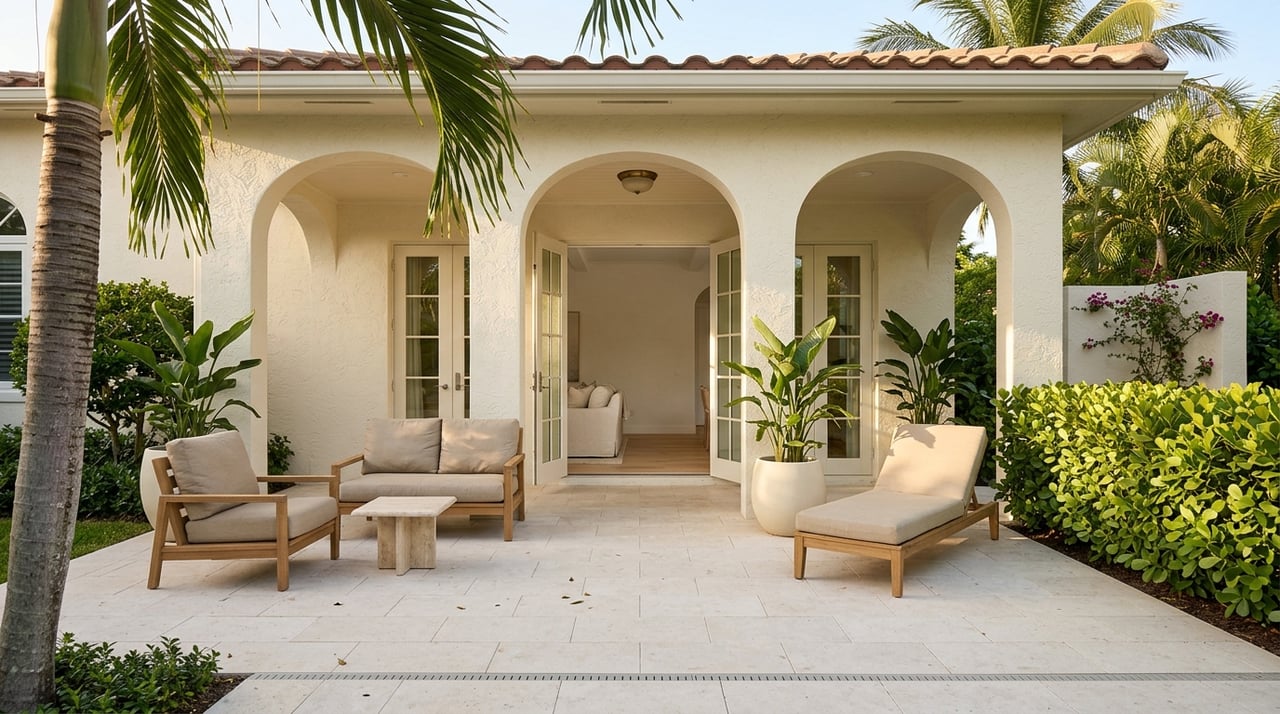
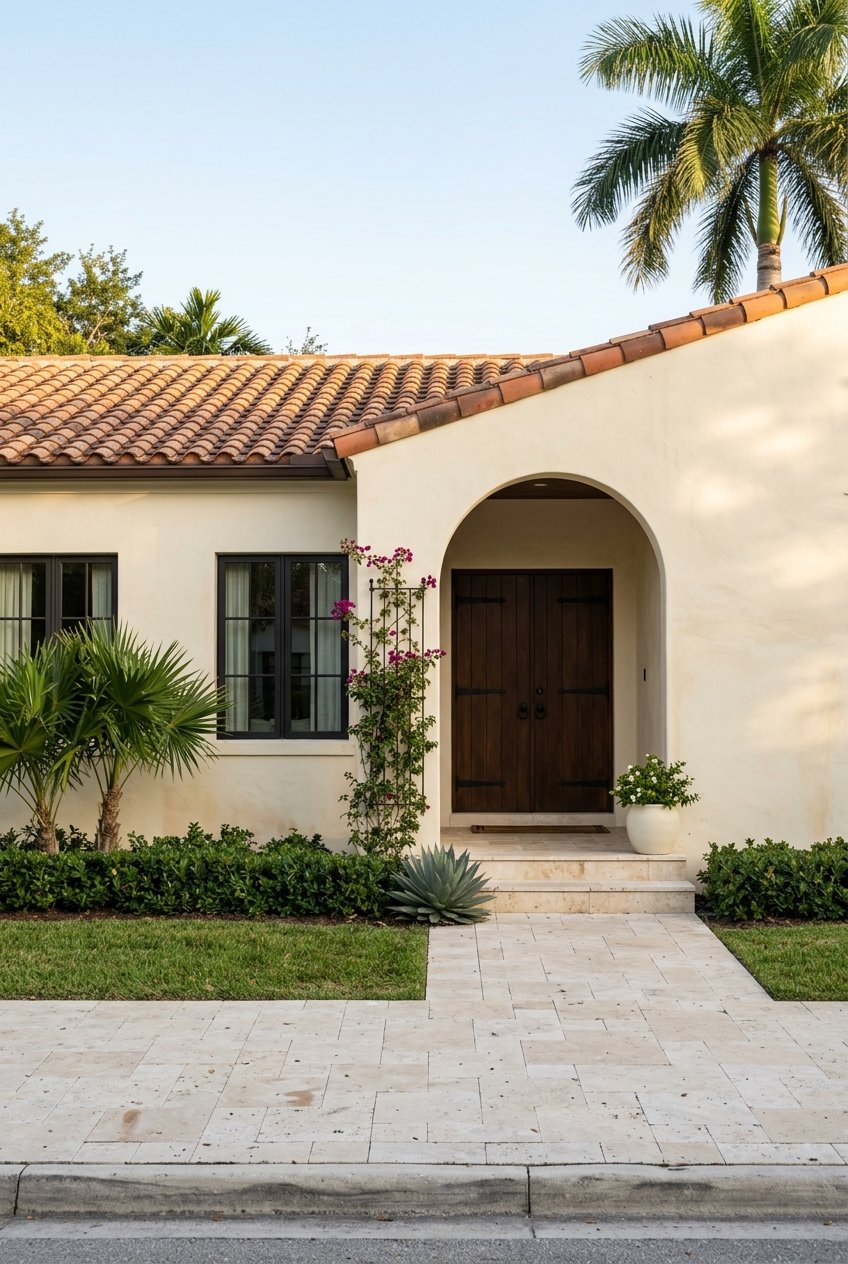
One of the clearest things you notice in Coral Gables is that architecture is part of everyday life, not just something you admire from a distance. The city’s zoning code defines Coral Gables Mediterranean Architecture as a style that reflects George Merrick’s vision, and local design oversight plays a major role in preserving that character.
The Board of Architects reviews many development applications every Thursday. Its standards cover details such as color, materials, fenestration, and proportion, all of which help maintain the city’s traditional look.
That means exterior design oversight is meaningful here. If you are considering a home purchase or preparing to sell, it helps to understand that presentation and architectural compatibility are part of the local culture, not an afterthought.
Historic character is protected
Coral Gables has a strong preservation mindset. The city’s Historic Preservation division works to protect historic structures, landscapes, and works of art, and more than 1,000 properties are listed on the Coral Gables Register of Historic Places.
You can feel that commitment in the city’s best-known landmarks. City Hall, the Biltmore Hotel, Venetian Pool, the Merrick House, Douglas Entrance, and the Coral Gables Museum all contribute to a sense of continuity between past and present.
For homeowners, this can add to the appeal of living in a place with a recognizable identity. For sellers, it reinforces why design details, curb appeal, and architectural storytelling often matter so much in this market.
Miracle Mile shows the city’s style
If you want one snapshot of Coral Gables design language, Miracle Mile is a strong example. The streetscape features Mediterranean-style façades, stucco, arched doorways, quartz pavers, palm-lined medians, and large oaks that shade the sidewalks.
It is not just visually attractive. It also shows how architecture and public realm planning shape the feel of daily errands, dinners out, or a simple walk through downtown.
The most walkable parts of Coral Gables
Many people ask which parts of Coral Gables feel most walkable on a day-to-day basis. In practical terms, the downtown core around Miracle Mile and Giralda Plaza usually stands out first.
Miracle Mile is the main street of the Central Business District and a key destination for shopping, dining, and entertainment. Giralda Plaza adds a pedestrian-focused setting lined with restaurants, bars, and coffee shops, with both indoor and outdoor seating.
If you enjoy being able to step out for coffee, dinner, browsing, or an evening stroll, this part of Coral Gables offers one of the easiest daily rhythms. The downtown area also has hundreds of restaurants and many shops within walking distance, which helps create a lifestyle that feels active without requiring a full day of planning.
Car-light living is more realistic than some expect
Coral Gables still has a driving culture, but local mobility options can make daily life easier. The Coral Gables Trolley is free Monday through Saturday, averages more than 1 million passengers per year, and connects riders to Douglas Metrorail Station and Metrobus.
A Southern Loop pilot launched in November 2025 to serve the University of Miami and other key destinations. For you, that can mean a more flexible mix of driving, walking, and transit for errands, dining, or cultural outings.
This matters especially if you are comparing Coral Gables with other Miami-Dade neighborhoods. The city can offer a more convenient daily pattern than people sometimes expect from a place known for beautiful residential streets and classic architecture.
Everyday rituals that capture Coral Gables
The best way to understand Coral Gables is to picture the routines that fill an ordinary week. This is a city where architecture, dining, culture, and outdoor time often blend together naturally.
You might start with a walk through a shaded avenue, meet a friend for coffee downtown, browse local shops, and end the evening with dinner outdoors. In Coral Gables, those moments often happen in settings that feel polished but still livable.
Some of the routines that best capture the city’s personality include:
- Coffee or dining along Miracle Mile or Giralda Plaza
- Monthly visits to Gables Gallery Night on the first Friday
- Browsing books, café fare, and events at Books & Books
- Seeing a performance at Actors’ Playhouse at the Miracle Theatre
- Stopping by the Coral Gables Museum for architecture and urban design exhibits
- Visiting a local market for produce, food, or artisan goods
These rituals help explain why many residents experience culture here as part of normal life rather than as a special occasion.
Dining, shopping, and culture in one place
Downtown Coral Gables has a strong concentration of restaurants and street activity. Miracle Mile alone is described by the city as having more than 120 international restaurants, and the broader downtown area offers hundreds of dining options.
That variety supports a lifestyle where meeting friends, entertaining guests, or trying a new place can happen close to home. The city guide also notes that many dining experiences are outdoor and European-style, which fits naturally with Coral Gables’ climate and streetscape.
Culture is woven into this setting in a very local way. The Coral Gables Museum focuses on architecture and urban and environmental design, while Books & Books operates from a 1927 historic building as a bookstore-café with author events and live music.
That combination gives Coral Gables a layered feel. You are not choosing between beauty and convenience, or between culture and routine. In many parts of the city, those elements sit close together.
Outdoor living is part of the routine
Coral Gables is strongly oriented toward outdoor life. The city guide highlights 62 public parks and green spaces, 46 tennis courts, more than 40 miles of waterways and coastline, and a mostly sunny climate with an average annual high of 81°F and low of 60°F.
That helps explain why walking, biking, boating, paddleboarding, and kiteboarding show up in the city’s identity. Outdoor time here is not limited to weekends. It is often built into the regular pace of the day.
Signature outdoor destinations
Several well-known destinations anchor the outdoor experience. Fairchild Tropical Botanic Garden is an 83-acre garden that opened in 1938 and remains one of the area’s defining green spaces.
Matheson Hammock Park covers 630 acres and includes an atoll pool, marina, restaurant, trails, and conditions for kiteboarding. Venetian Pool, which opened in 1924 as the Venetian Casino, is also one of the city’s most distinctive landmarks and is listed on the National Register of Historic Places.
These places give residents easy ways to reset without leaving Coral Gables. Whether you want waterfront views, trails, gardens, or simply a memorable place to spend a warm afternoon, the city offers several options close to home.
What this means for buyers and sellers
If you are thinking about buying in Coral Gables, it helps to look beyond square footage and bedroom count. Here, the feel of a street, the architectural integrity of a home, and the convenience of nearby daily rituals can shape your experience just as much as the floor plan.
If you are selling, Coral Gables rewards thoughtful presentation. In a city where design, proportion, and setting matter, buyers often respond strongly to homes that are marketed with care and a clear understanding of what makes the property and its surroundings distinctive.
This is one reason local neighborhood knowledge is so valuable. Coral Gables is not just a collection of addresses. It is a city with a specific visual language, lifestyle rhythm, and sense of place.
If you are considering a move to Coral Gables or preparing to sell a home with character, working with someone who understands both the market and the city’s design-driven appeal can make the process feel much more informed and seamless. For a personalized, boutique approach to buying, selling, or understanding neighborhood fit in Coral Gables, connect with Laura Montes.
FAQs
Which areas of Coral Gables feel most walkable for everyday life?
- The downtown core around Miracle Mile and Giralda Plaza is among the most walkable for day-to-day dining, coffee, shopping, and entertainment.
How strict is exterior design review in Coral Gables?
- Coral Gables has an active Board of Architects that reviews many development applications and applies design standards related to details such as materials, color, fenestration, and proportion.
What architectural style is Coral Gables known for?
- Coral Gables is especially known for Mediterranean-inspired architecture that reflects George Merrick’s original vision for the city.
What are some daily activities residents enjoy in Coral Gables?
- Residents often enjoy outdoor dining, walking downtown, visiting parks and gardens, attending gallery nights, shopping local, and spending time at cultural venues such as the museum, bookstore-café, and theater.
Where can you enjoy outdoor time without leaving Coral Gables?
- Popular options include Fairchild Tropical Botanic Garden, Matheson Hammock Park, Venetian Pool, and the city’s many parks, green spaces, waterways, and tennis facilities.
Does Coral Gables have public transit for local errands?
- Yes. The free Coral Gables Trolley runs Monday through Saturday and connects key destinations, including Douglas Metrorail Station and Metrobus.