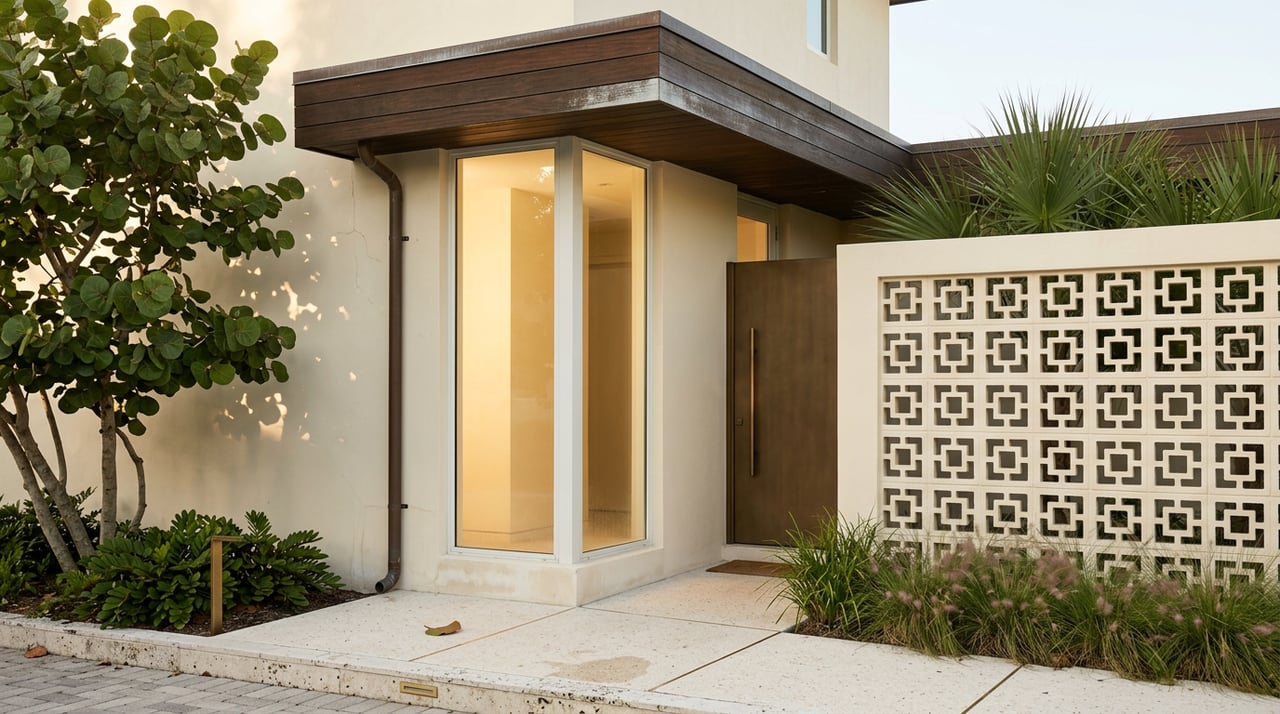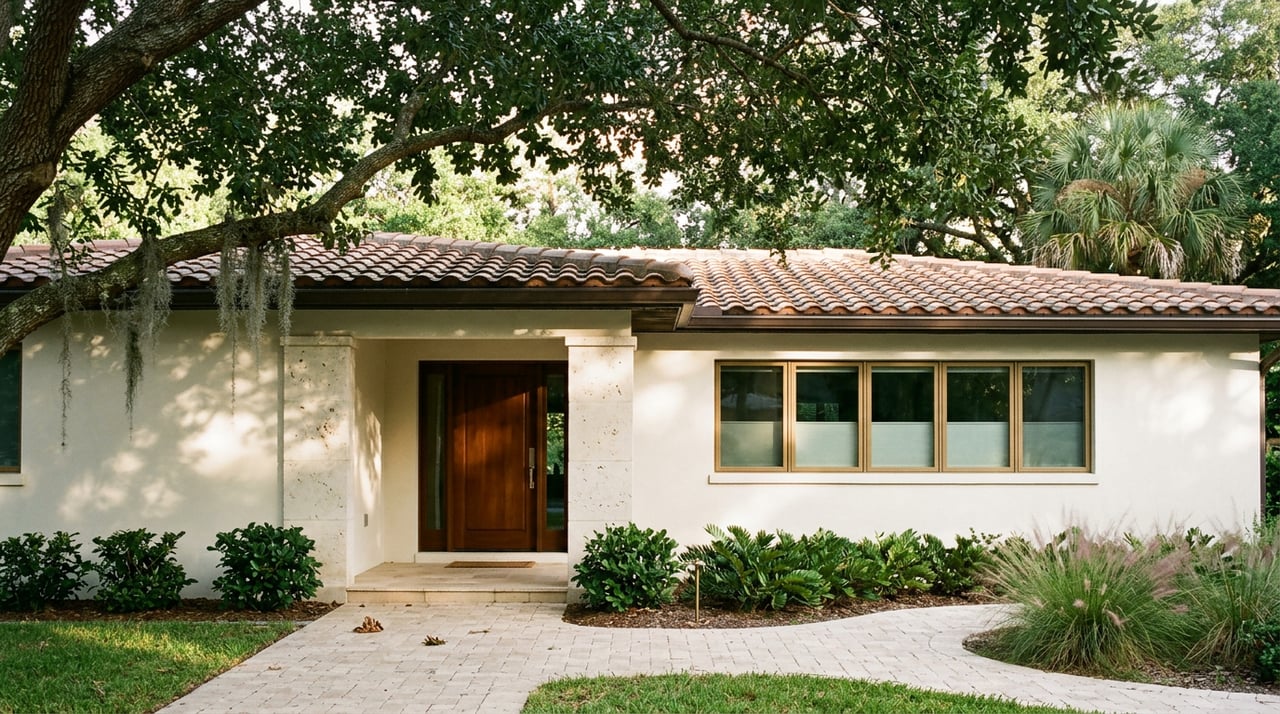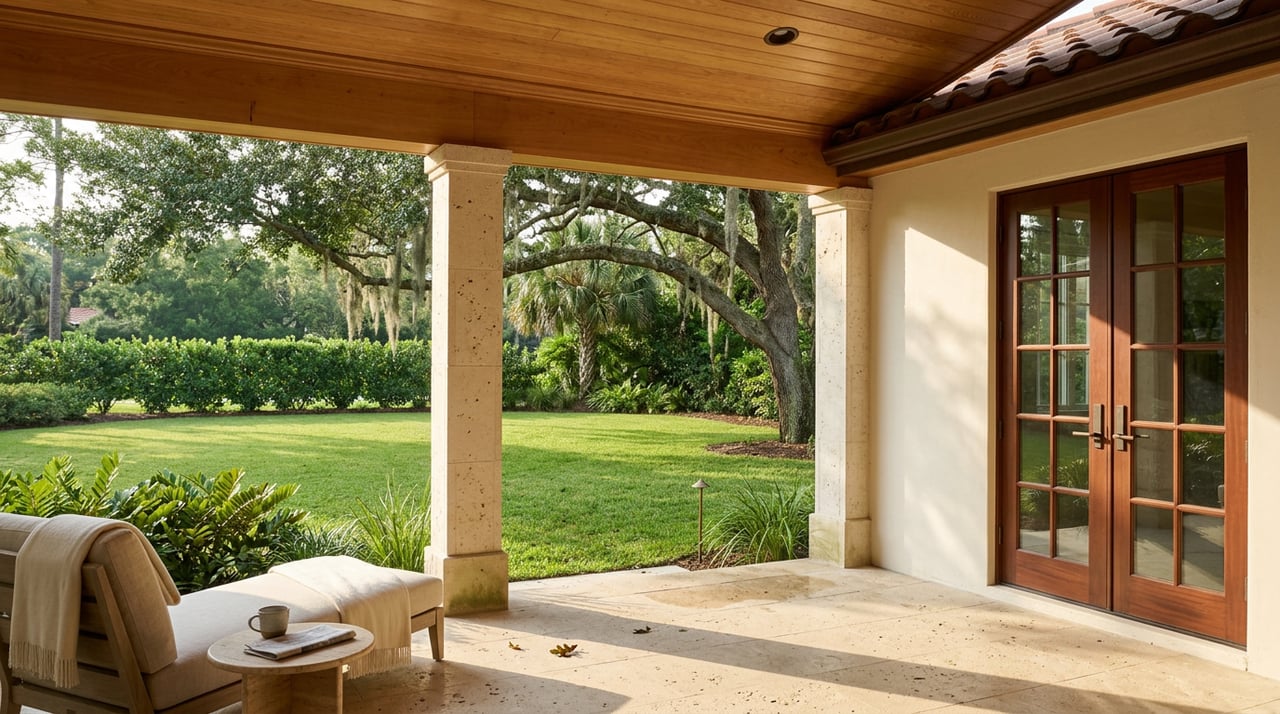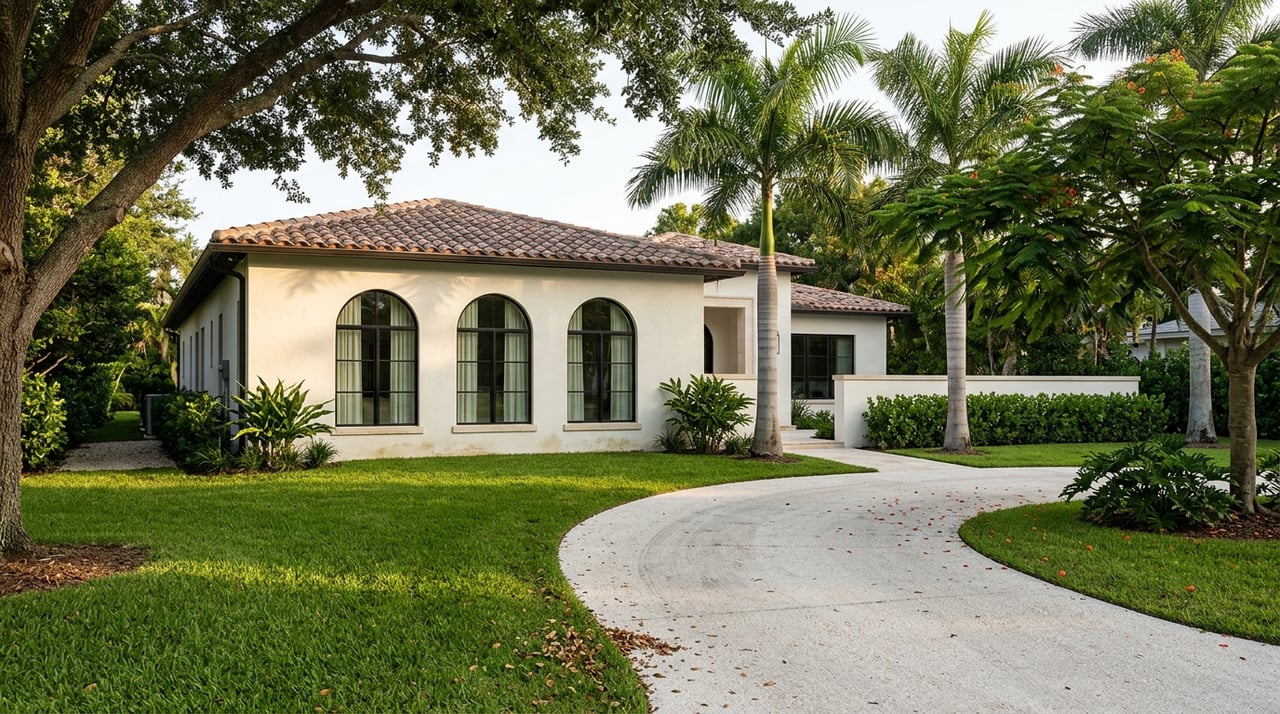
If you are looking for a Miami-area neighborhood that feels greener, quieter, and more spacious without losing access to the city, Pinecrest deserves a close look. Many buyers want room to breathe, mature landscaping, and a home that feels grounded in an established community, not squeezed into a dense urban setting. Pinecrest offers exactly that mix of space, outdoor living, and convenience. Let’s take a closer look.
Why Pinecrest feels different
Pinecrest stands out because it offers a lower-density residential setting in Miami-Dade. The village has 18,981 residents spread across 7.45 square miles, which helps explain why it feels more open than many other parts of Miami. If you are comparing neighborhoods, that sense of space can shape everything from your daily routine to the way a home lives.
The village’s own planning documents describe Pinecrest as a community known for large lots, abundant landscaping, and open spaces. Those qualities are not an accident. They reflect a long-standing local focus on protecting single-family neighborhoods, preserving trees, and limiting commercial uses that feel out of scale with the residential character.
For many buyers, that translates into a lifestyle that feels calm and established. Instead of chasing the newest large-scale development, you are often looking at homes within a mature neighborhood fabric where greenery, privacy, and updates matter more than brand-new subdivision growth.
Space shapes daily life
One of Pinecrest’s biggest draws is the way space shows up in ordinary moments. A wider lot, more trees, and more distance between homes can make mornings feel quieter and afternoons feel more usable. That difference may seem subtle at first, but it often becomes one of the most valuable parts of living here.
Census data also helps paint the picture. Pinecrest has an 82.8% owner-occupied housing rate, a median value of $1,406,400 for owner-occupied homes, and an average of 3.03 persons per household. Those numbers suggest a market where many residents put down roots and where homeownership plays a major role in the village’s identity.
The village is also described as virtually built out. In practical terms, that means Pinecrest is less about major waves of new neighborhood creation and more about established homes, renovations, additions, and thoughtful updates. If you value character, lot size, and long-term setting, that can be an appealing combination.
Greenery is part of the lifestyle
In Pinecrest, greenery is not just a backdrop. It is a core part of how the village sees itself. Local priorities include preserving and expanding the tree canopy, and Pinecrest notes its Tree City USA recognition as part of that effort.
For you as a buyer or homeowner, that focus can shape the everyday experience of the neighborhood. Tree-lined streets, mature landscaping, and open space can make the area feel softer and more residential. They also support the relaxed atmosphere that many people want when they move away from denser parts of Miami.
This design of life outdoors also fits South Florida naturally. In a place where weather often encourages time outside, access to shade, gardens, parks, and walkable public spaces can add real value to how you live in your home and community.
Parks and outdoor spaces in Pinecrest
Pinecrest offers a strong collection of public outdoor spaces, which adds to its appeal for residents who want active and flexible days close to home. The village’s official park system includes a range of places for recreation, walking, and gathering.
Some of the notable options include:
- Coral Pine Park, with lighted walking paths, pickleball and tennis courts, a great lawn, and a 2.9-acre pineland preserve
- Evelyn Greer Park
- Flagler Grove Park
- Pawcrest Park, the village’s only off-leash dog park
- Red Road Linear Park
- Suniland Park
- Veterans Wayside Park
- Pinecrest Community Center
These spaces support a wide range of routines. You might start your day with a walk, spend the afternoon on the courts, or simply enjoy more options for being outside close to home. For many buyers, that kind of access helps define neighborhood quality in a very practical way.
Pinecrest Gardens adds culture and beauty
One of Pinecrest’s signature destinations is Pinecrest Gardens, a 14-acre botanical garden and cultural arts venue. It includes more than 1,000 varieties of rare and exotic tropical plants and palm trees, along with family-friendly programming, concerts, art exhibitions, a petting zoo, playgrounds, a splash zone, picnic areas, and open space.
This matters because Pinecrest’s appeal is not only residential. It also has places that add texture and enjoyment to daily life. Pinecrest Gardens gives the village a distinctive blend of natural beauty and community activity that feels more personal and grounded than a purely commercial entertainment district.
For buyers who care about atmosphere, this is an important part of the story. A neighborhood is not just about square footage and lot size. It is also about where you go on a Saturday morning, how you spend time outdoors, and what kind of setting surrounds those moments.
A quieter alternative to denser Miami living
If you are weighing Pinecrest against other Miami neighborhoods, the contrast often comes down to pace and density. Official village descriptions and planning language support Pinecrest’s identity as a quieter, lower-density inland community with larger lots and more greenery. That can be a meaningful difference if your priority is space rather than an intensely urban environment.
This does not mean feeling disconnected. Pinecrest sits south of Downtown Miami and Miami International Airport, and US 1, also called Pinecrest Parkway, forms its western edge. More than 750 businesses line that corridor, which adds convenience to everyday errands, dining, and services.
For buyers relocating within Miami-Dade, Pinecrest can offer a useful middle ground. You can enjoy more residential breathing room while still staying connected to major destinations and transportation routes.
Getting around Pinecrest
Access is part of Pinecrest’s appeal, and local planning efforts show a continued focus on improving mobility. The village’s transportation master plan emphasizes traffic calming, sidewalk improvements, and a free on-demand electric car service. Those details point to a community that is thinking carefully about how residents move through the area.
Pinecrest also benefits from the Kendall Drive shared-use path and Miami-Dade’s South Dade Trail and Metro Express corridor. For you, that means more support for walking, biking, and regional access. Even if you still drive most places, having multiple ways to connect can improve daily convenience.
In a market where commute patterns and lifestyle flexibility matter, that balance can be important. Pinecrest offers a residential setting that feels tucked away, but not isolated.
What buyers often appreciate most
Every buyer has a different checklist, but Pinecrest tends to appeal to people who value a few consistent qualities. If you are exploring the area, these are some of the features that often stand out:
- Larger residential lots
- Mature trees and landscaping
- Established single-family neighborhoods
- Extensive parks and outdoor amenities
- A calmer setting than denser urban districts
- Convenient access to major Miami destinations
- A housing stock that offers character and room for updates
For design-conscious buyers, Pinecrest can be especially interesting because established neighborhoods often create more variety in homes. Rather than a one-note look, you may find a broader range of architecture, lot configurations, and renovation potential.
What sellers should know about Pinecrest’s appeal
If you own a home in Pinecrest, the village’s identity can be a major strength when it comes to presentation. Buyers are often drawn to the same themes again and again: space, greenery, privacy, and a more relaxed daily rhythm. Those qualities should be communicated clearly through pricing, preparation, photography, and marketing.
Because Pinecrest is largely built out, many homes compete based on condition, lot presence, landscaping, and how well updates fit the home’s character. Thoughtful presentation matters. A polished strategy should help buyers see not just the property itself, but the lifestyle that comes with living in Pinecrest.
This is where local neighborhood knowledge becomes especially valuable. Understanding how Pinecrest differs from nearby areas can help position a listing in a way that feels accurate, distinctive, and compelling.
Why Pinecrest continues to draw attention
Pinecrest offers something that can feel increasingly rare in Miami-Dade: room to breathe. Its combination of large lots, mature landscaping, open space, and established residential character creates a lifestyle that feels both relaxed and connected. For many buyers and sellers, that balance is exactly what makes the village so appealing.
If you are considering a move to Pinecrest, or preparing to sell a home there, it helps to work with someone who understands the character of the neighborhood and how to translate that into smart guidance. If you are ready to explore Pinecrest with a thoughtful, boutique approach, connect with Laura Montes.
FAQs
What is Pinecrest known for in Miami-Dade?
- Pinecrest is known for its lower-density residential setting, large lots, abundant landscaping, open spaces, and established single-family neighborhoods.
What kinds of outdoor spaces are available in Pinecrest?
- Pinecrest offers parks, walking paths, tennis and pickleball courts, a dog park, open lawns, a pineland preserve, community facilities, and Pinecrest Gardens.
What makes Pinecrest different from denser Miami neighborhoods?
- Pinecrest is generally described as a quieter inland village with more greenery, larger residential lots, and a less urban feel than denser parts of Miami.
Is Pinecrest a place with mostly established homes?
- Yes. Village planning documents describe Pinecrest as virtually built out, so the housing landscape is more focused on established homes and updates than large-scale new subdivision growth.
Why do buyers consider Pinecrest for a move within Miami-Dade?
- Buyers often consider Pinecrest for its balance of space, tree canopy, parks, residential character, and access to Downtown Miami, Miami International Airport, and the US 1 corridor.